
Observing
Plan a night under the stars
Combine darkness, a clear horizon and a realistic target instead of relying on a single score.
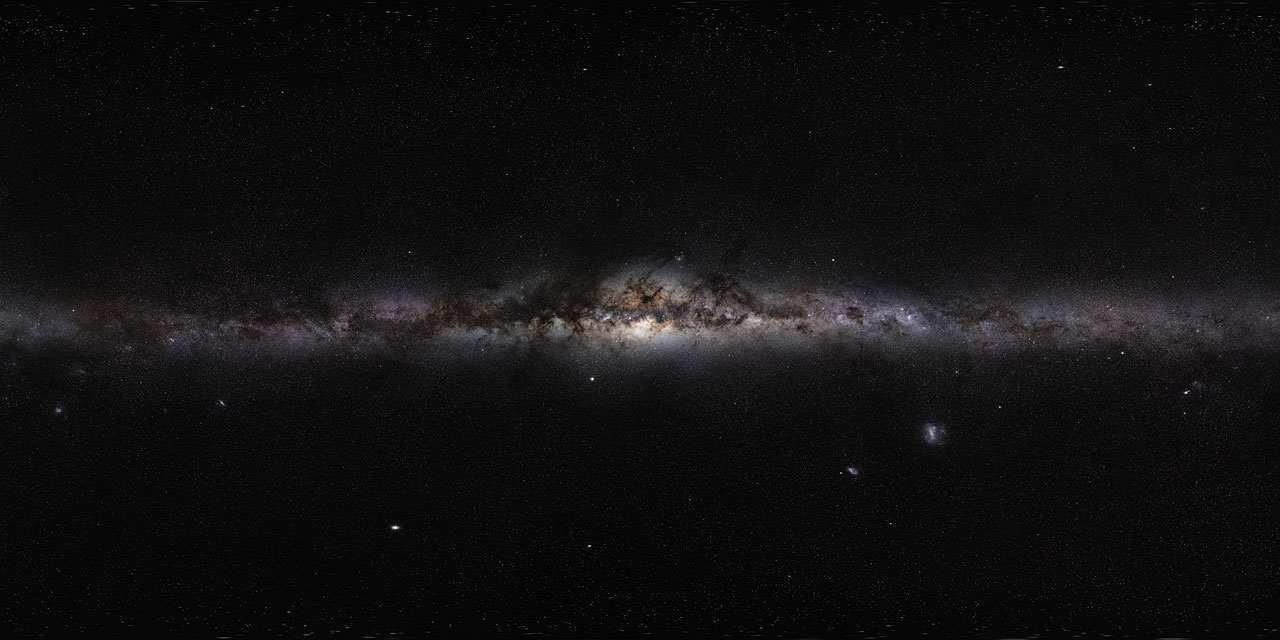
ESO/S. Brunier · Source ↗ · CC BY 4.0
Start with a question
Choose whether you want a bright planet, lunar details or a faint extended object. These are different observing tasks. A bright Moon can be an interesting subject while also making faint targets harder to distinguish. Give your eyes time to adjust and avoid unnecessary bright screens when exploring a dark sky.
Check conditions independently
Clouds, haze, light pollution and local obstructions are not the same as geometric visibility. Yorungez does not turn an above-horizon marker into a weather forecast. Look at the real horizon, check an appropriate local forecast and use a safe, permitted observing place. You can start with your eyes; owning a telescope is not a requirement.
Make a small plan
Use Tonight for a calculated observing window and Calendar for sourced events. Open the selected time on the map, then return to live when observing. Keep a note of what you actually saw. An event listed in a calendar and a personal observation are different records; neither the map nor a reminder proves an observation happened.
Sources & further reading
These sources explain the scientific background. See the project page for Yorungez’s calculation and rendering limits. Science & project ↗